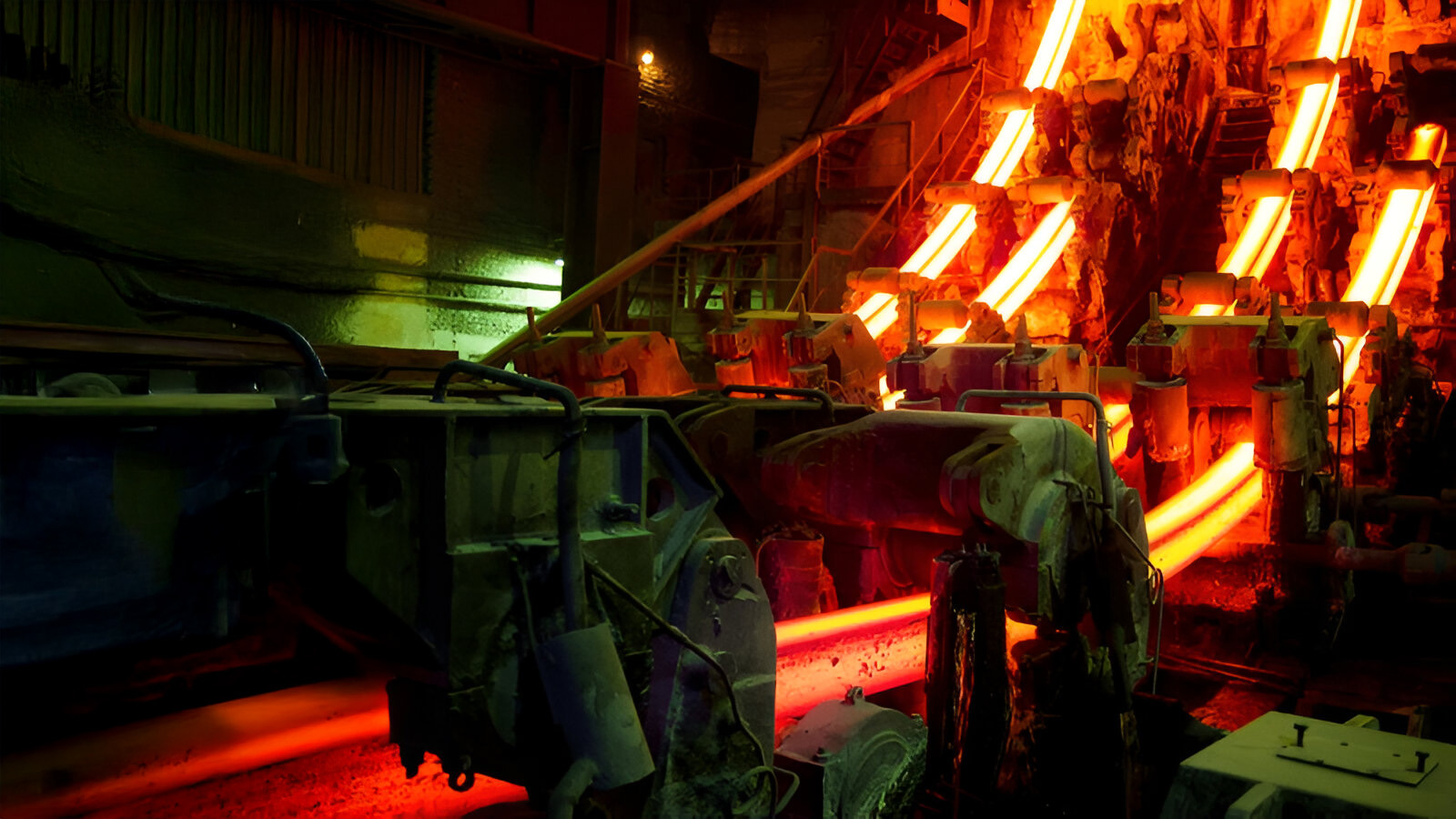
Linha automatizada de produção de aço recém fundido.Vision King inspecting cast steel parts in the foundryby combiningandComputer VisionAIEmpower yourProduction

Vision King – Foundry

Technology Description

The primary objective is to identify defects and imperfections in cast steel structures, such as:

Gas Porosity

Rolling defect on the cast steel surface

Shrinkage

Crack on the cast steel part

Molding Defect

Rupture on the cast steel part

Cold Shut

Flux powder residue on the cast steel surface

Metallurgical Defect

Crack on the cast steel part surface

Computer vision applied to the inspection of cast steel parts has become an essential solution for ensuring quality in steel manufacturing processes. Vision King utilizes cameras and image processing algorithms to detect defects, irregularities, and specific surface characteristics of the steel that are difficult to identify with the naked eye.

Vision King inspection station over the foundry conveyor
Strokmatic operator panel beside the inspection station

Technologies and Techniques Used in Inspection

Cameras and
Sensors

Image
Processing

Artificial
Intelligence

Real-Time
Systems

Advantages

  • Computer Vision Technology:

    Computer vision technology can operate in environments too hazardous for people, even at high temperatures.

  • Precision and Consistency:

    Computer vision technology is more precise and consistent than manual inspection. It can even inspect the product internally, going beyond what manual inspection offers, thereby reducing human errors and increasing efficiency.

  • High Speed:

    Real-time analysis allows for immediate defect detection, enabling quick corrections to dies or machinery.

  • Increased Quality:

    The system’s comprehensive and immediate analysis of production allows for the detection of issues stemming from machinery, dies, or even mechanized handling. This prevents defects from propagating throughout the batch and enables proactive equipment adjustments.

  • Analysis and Reports:

    Computer vision systems can collect data over time, allowing for the identification of trends and root causes of defects, in addition to optimizing processes.

  • Cost Reduction:

    This technology reduces the amount of scrap generated across all production phases. It also saves energy as the root causes of defects are addressed before they can replicate throughout the batch, avoiding rework and the cost of reintroducing material into the furnace.