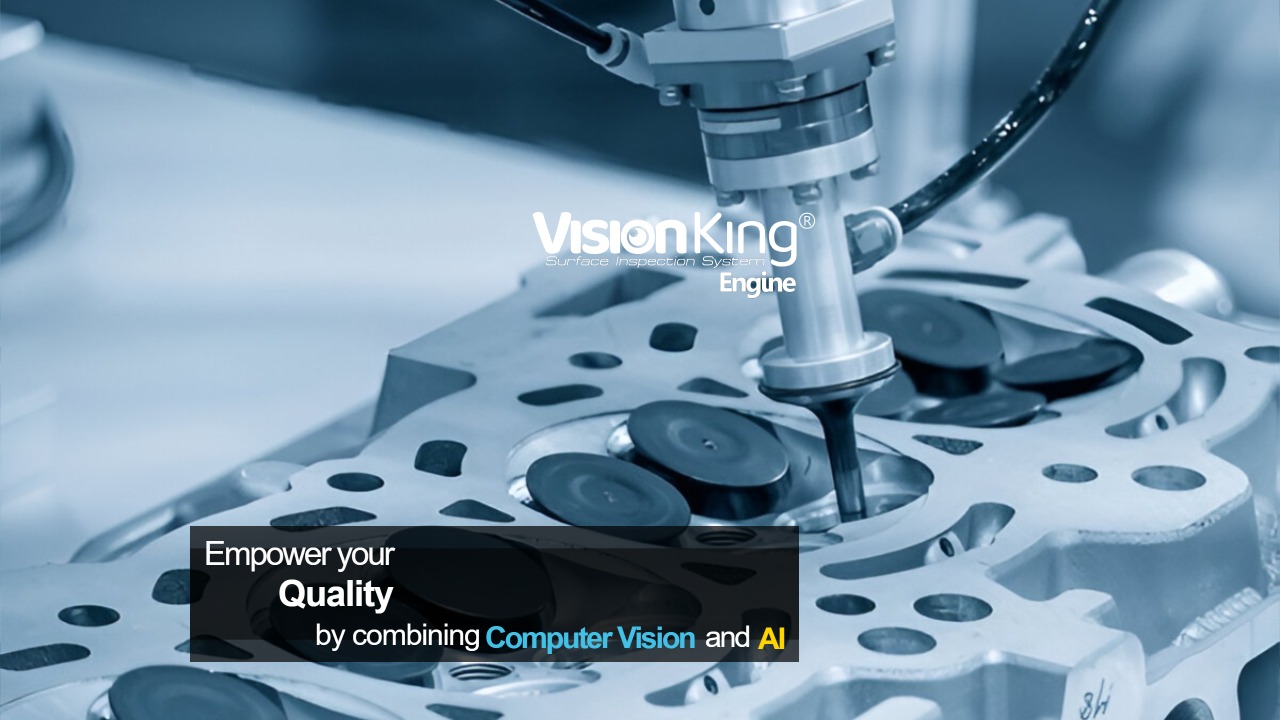
Bloco de motor sendo inspecionado por sistema automatizadoVision King inspecting engine componentsby combiningandComputer VisionAIEmpower yourQuality

Vision King – Motor

Technology Description

The main objective is to identify defects, imperfections, and assembly errors such as the shape and presence of holes and chambers in cast and machined parts, along with the position and integrity of crucial components, including:

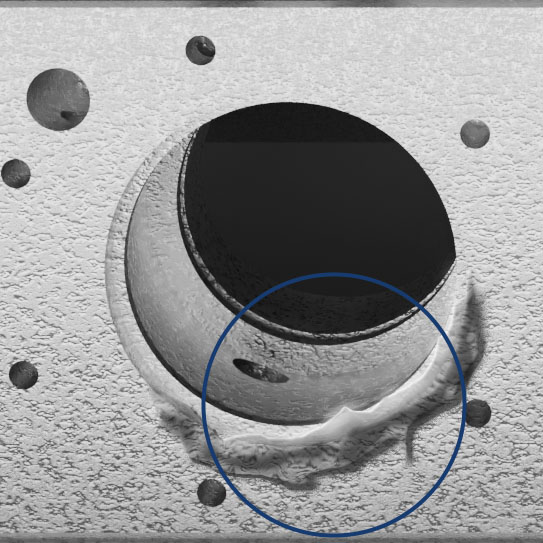
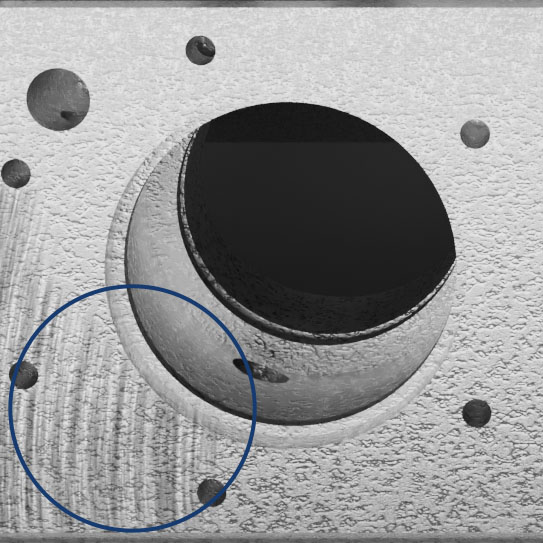
Pin Holes

Pitting on the engine component surface

Roughness

Excessive roughness on the engine component surface

Scabs

Crust on the engine component surface

Sand Inclusions

Sand inclusion in the cast part

Swells

Swelling on the cast component surface

Micro Shrinkage

Microshrinkage in the cast engine component

Slag Inclusions

Slag inclusion in the cast part

Blow Holes

Blisters on the engine component surface

Computer vision applied to engine inspection has become an essential solution for ensuring quality in vehicle manufacturing processes. Vision King utilizes cameras and image processing algorithms to detect defects, irregularities, and specific characteristics in the engine’s structure and assembly that are difficult to identify with the naked eye.

Vision King inspecting engine components on the line
Vision King screen with engine component inspection results

Technologies and Techniques Used in Inspection
Cameras and
Sensors

Image
Processing
Artificial
Intelligence

Real-Time
Systems

Advantages

  • 100% automated inspection of defects.

  • High precision and consistency in real-time defect detection.

  • High operating speed, keeping pace with the production line without impacting cycle time

  • Immediate identification and localization of defects

  •   Reduction or elimination of manual inspection, optimizing resources and minimizing operational errors

  • Increased safety and ergonomics, reducing repetitive strain and exposure to risks

  • Full traceability of the motors, ensuring complete process control.

  • Standardization of quality and increased production efficiency

  • Contribution to Industry 4.0 by integrating smart technology into the manufacturing process